Half-ton Studios in Milton
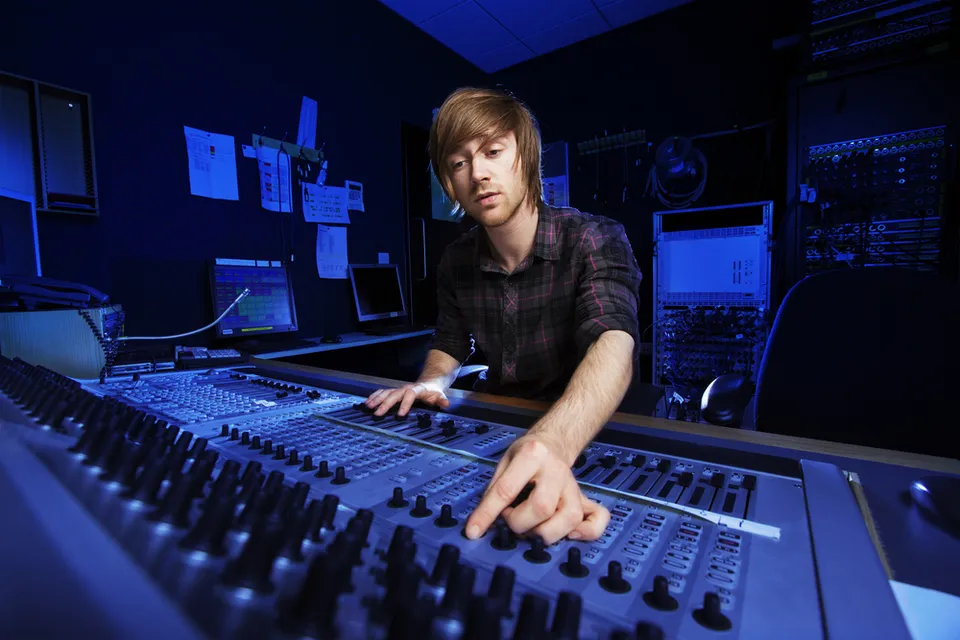
Half-ton Studios advertises recording, mixing and mastering from its base on the Norman Industrial Estate in Milton, Cambridge. Its website also describes a live recording space and links to rehearsal facilities. Contact the studio with a brief description of the music and the number of performers, rather than assuming that a general studio booking covers every requirement.
For solo piano, ask specifically which instrument you would play and how it would be recorded. If you want to bring a digital piano, give its exact model and explain whether you need audio recording, MIDI or both. An impressive microphone list does not tell you whether there is an acoustic piano available, so settle that question before comparing session costs.
Resonant Rehearsals
Resonant Rehearsals provides music rehearsal rooms in Milton. Its FAQ identifies the Half-ton Recording Studio site as its base. This is a relevant enquiry when the main goal is to practise with other musicians rather than book an engineered recording session.
Confirm the equipment included in the particular room. A PA system or guitar backline is not a substitute for a piano keyboard, stable stand and sustain pedal. Ask about loading access if you are bringing a large instrument, and agree who brings cables and other essentials. Check the current booking and cancellation arrangements so that everyone in the group understands their share of the commitment.
Zoo Audio and recording on location
Zoo Audio describes music recording for solo artists and bands, support for home-recording projects and location recording that includes solo piano. Its current site also lists keyboards among its instruments. Ask which setup would suit your project and whether recording an acoustic piano at a separate location is practical.
Location recording can be useful when there is already a suitable instrument in a room you can use. Discuss the room's sound, background noise, access time and permission to record there. A familiar piano does not automatically guarantee an easy recording: traffic, heating and other activity can be picked up by microphones. Let the engineer advise on what can realistically be achieved.
Decide what you need to deliver
A practice recording, an audition video and a commercial release have different requirements. Write down who will receive the result and what format they expect. For an audition or assessment, read the receiving organisation's rules before recording, particularly instructions about continuous takes, editing, camera position and spoken introductions. Do not pay for an elaborate production that the application will not accept.
Audio and MIDI are different things. Audio records the sound; MIDI records performance information that can drive a virtual instrument later. Some digital pianos support one or both through USB, while others need different connections. Give the engineer the model details and agree the approach beforehand. If video matters, arrange it at the same time rather than treating it as an afterthought.
Prepare for a productive session
Practise the beginning and ending of each piece, along with places where you might restart during a session. Mark cuts and repeats clearly. If accompanying a singer, agree the key, pace and breathing points together. Bring readable music and a short running order. A rough home recording can reveal uncertain transitions before you spend money on studio time.
Allow time for setup and a few comfortable warm-up passages. You may need to adjust to an unfamiliar keyboard or to hearing yourself through headphones. Avoid scheduling so much material that there is no room to listen back or take a break. A smaller selection played with care is usually a more useful first project than an ambitious list rushed through in a single booking.
Agree costs, files and next steps
Ask for a clear explanation of what the price includes: room hire, engineering, editing, mixing, video and delivery may be separate items. Agree how extra work is authorised and what files you will receive. Ask about backups and how long the studio retains a project. A headline hourly rate is difficult to compare without knowing what happens during and after the session.
When listening back, identify something that communicates well before listing changes. Choose one practical improvement for the next practice session, such as clearer pedalling or a steadier transition. Bring a short example to piano lessons if you want help connecting what you hear with what your hands are doing. Recording is a learning tool as well as a finished product, and a simple, well-planned session can serve both purposes.